Top 5 Reasons Your Solar Business Needs a Dedicated CRM in 2026
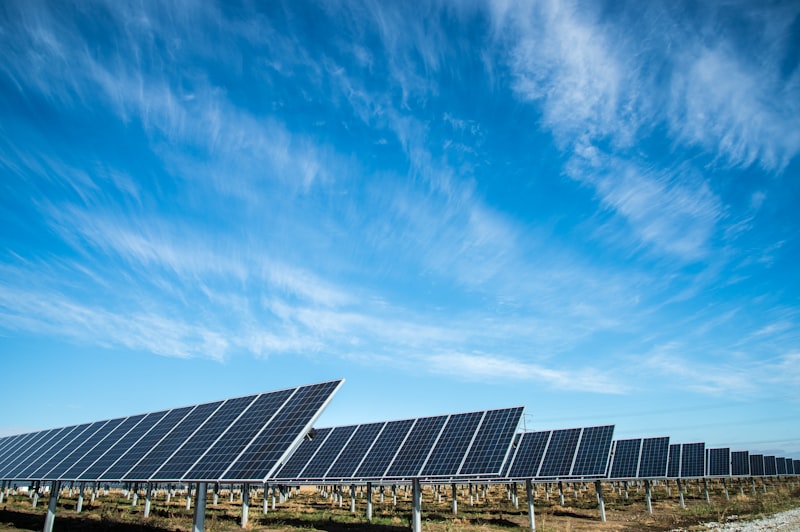
The solar energy market in India is booming, and with growth comes complexity. If you are running a rooftop solar business or an EPC (Engineering, Procurement, and Construction) firm, you've likely realized that spreadsheets and generic software simply aren't enough anymore.
Enter the dedicated Solar CRM. Unlike generic Customer Relationship Management tools, a specialized solar CRM is built around the unique lifecycle of a solar installation project. Here are the top 5 reasons your solar business needs a dedicated CRM in 2026 to stay competitive.
1. Tailored to the Solar Project Lifecycle
A generic CRM like Salesforce or HubSpot tracks "leads" and "deals." But a solar installation isn't just a deal—it's a multi-stage project involving site surveys, design approvals, DISCOM (Distribution Company) permissions, net metering, and installation.
A dedicated solar CRM like evSuryam understands these stages natively. You don't have to spend thousands of dollars customizing the software; it comes out-of-the-box with a pipeline designed specifically for the Indian rooftop solar market.
2. Streamlined Site Surveys and Proposals
Site surveys are where many solar deals get delayed. With a dedicated CRM, your on-field team can upload survey photos, roof dimensions, and shading analysis directly via a mobile app into the CRM.
Once the survey is approved, the system can automatically generate a GST-compliant proposal with accurate 3D designs and ROI calculations, accelerating your sales cycle.
3. Seamless Integration with Inventory Management
A major pain point for EPC contractors is tracking physical assets like solar panels, inverters, and mounting structures. Generic CRMs do not handle complex inventory well.
A solar CRM integrates your sales pipeline directly with your warehouse. When a project reaches the "Ready for Installation" stage, the CRM automatically reserves the required panels and inverters from your inventory, ensuring you never face a stockout on installation day.
4. Automated Customer Updates via WhatsApp
Indian consumers expect real-time updates. Keeping them in the dark during the lengthy DISCOM approval process leads to frustration and negative reviews.
With tools like evSuryam, your CRM can automatically send WhatsApp or SMS updates to your customers at every milestone—from "Material Dispatched" to "Net Meter Installed." This proactive communication builds trust and significantly boosts word-of-mouth referrals.
5. Centralized Document Management for Subsidies
Handling government subsidies requires meticulous documentation. Missing a single signature can delay payments for months.
A dedicated solar CRM acts as a centralized vault for all project-related documents. It can even flag missing documents before an application is submitted to the national portal, ensuring smooth, error-free processing for your customers.
"Switching to a solar-specific CRM is not just an upgrade in software; it's an upgrade in operational efficiency. It allows you to scale from 5 installations a month to 50 without needing to quintuple your administrative staff."
Conclusion
As the rooftop solar market matures in 2026, operational efficiency will be the primary differentiator between successful EPCs and those that struggle to scale. A dedicated solar business management software like evSuryam provides the infrastructure you need to handle more projects, manage inventory flawlessly, and deliver an exceptional customer experience.
Ready to streamline your solar operations?
Discover how evSuryam can help you scale your EPC business.
Book a Free Demo